


And why Nigerian mothers are often the last to get help.
You just had a baby. Everyone around you is celebrating. Your mother is cooking pepper soup. Your mother-in-law has arrived from the village. WhatsApp notifications have not stopped for three days.
And you are sitting in the corner, crying, and you do not know why.
Maybe you feel like you made a mistake. Maybe you feel nothing when you hold your baby just a numbness that scares you. Maybe you are crying so hard you can’t breathe and you have no explanation to give anyone because, by all accounts, everything went well.
You are not ungrateful. You are not a bad mother. And you are not alone.
But we need to talk about what might actually be happening because “she’s just tired” is not a diagnosis, and “pray about it” is not treatment.
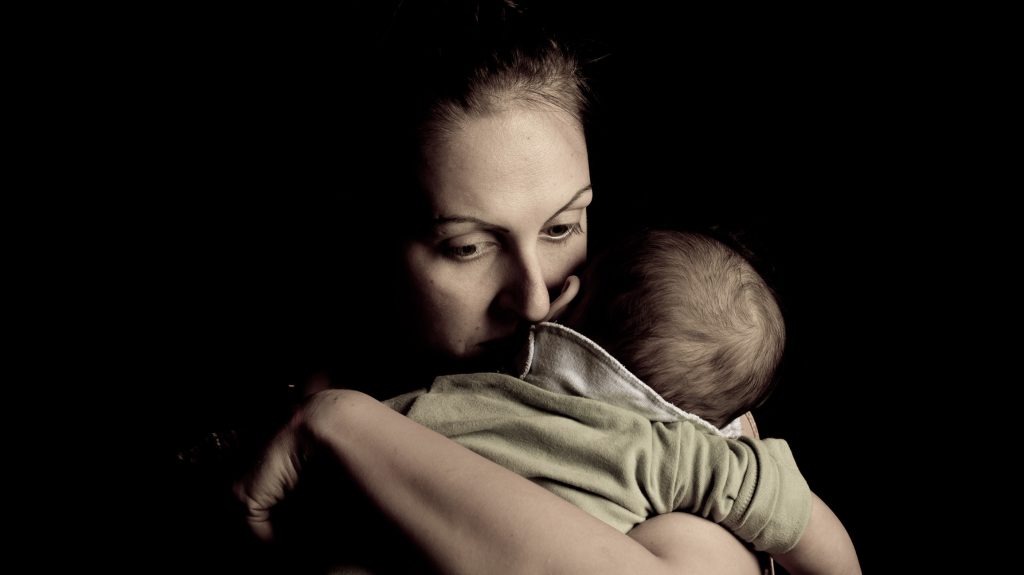
The baby blues are extremely common. Up to 80% of new mothers experience them in the first few days after delivery.
You may feel:
The baby blues typically begin 2 to 3 days after delivery and usually resolve on their own within two weeks. They are caused by the dramatic hormonal shift that happens after birth specifically the sharp drop in oestrogen and progesterone that your body went through after delivering your placenta.
If you are within the first two weeks and feeling emotional and overwhelmed but are able to care for yourself and your baby this may be the baby blues. Rest, support, and time usually help.
Postpartum depression (PPD) is different. It is a medical condition, not a character flaw. Not a spiritual failure. Not something you can “shake off” by being more grateful.
PPD can begin any time in the first year after delivery not just in the early weeks. Many women don’t recognize it because it does not always look like sadness. It can look like:
That last point is important. If you are having thoughts of harming yourself or your baby, please go to the hospital today. Not tomorrow. Today.
I want to be direct here, because I have seen this play out too many times.
In many Nigerian households, a new mother’s emotional state is simply not a priority. The focus is the baby — is the baby feeding, gaining weight, sleeping? Meanwhile, the mother is barely holding herself together, and no one is asking how she is actually doing.
There is also the pressure to appear strong. To be grateful. To not “complain” when you have a healthy baby and food on the table and a husband who stayed.
And then there is the stigma around mental health in general. “She has postpartum depression” can become “she is not well in the head” — and that fear of being labeled keeps women silent long past the point when they needed help.
I understand why women stay quiet. But silence is not keeping anyone safe.
| Baby Blues | Postpartum Depression | |
|---|---|---|
| When it starts | 2–3 days after delivery | Anytime in first year |
| How long it lasts | Up to 2 weeks | Weeks to months if untreated |
| Mood | Tearful, sensitive | Persistently low or numb |
| Bond with baby | Usually intact | May feel absent or forced |
| Function | Usually able to care for self/baby | May struggle significantly |
| Treatment needed? | Usually no — rest and support | Yes — professional help needed |
If it has been less than two weeks and you feel emotional but are coping: Rest. Accept help. Tell your husband or support person how you are feeling. You do not have to suffer through this alone, but it may resolve on its own.
If it has been more than two weeks, or you feel like you cannot cope: See a doctor. Tell them exactly what you have told me here — the numbness, the crying, the disconnection. A doctor can assess you properly and discuss treatment options, which may include counseling, support, and in some cases medication.
If you are having any thoughts of harming yourself or your baby: Go to the nearest hospital today. This is a medical emergency.
If you are reading this and you recognize someone you love in these words — do not dismiss it. Do not tell her to pray harder. Do not ask her what she has to be sad about.
Ask her how she is doing. Sit with her. Take the baby for two hours so she can sleep. And if she tells you she is not okay, believe her — and help her get to a doctor.
Postpartum depression is treatable. With the right support, women recover fully. But they cannot recover alone, and they cannot recover in silence.
Baby blues are common, expected, and usually resolve within two weeks. Postpartum depression is a medical condition that requires professional support and is nothing to be ashamed of.
If something feels wrong, trust that feeling. You know yourself. You are allowed to ask for help.
This article is for health education only. It does not constitute medical advice or diagnosis. If you are concerned about your mental health after delivery, please see a qualified healthcare provider. In a medical emergency, go to the hospital immediately.
— Dr. Chandus | info@doctorchandus.com

Your information will never be shared with any third party